




Story by Rebecca West
Images courtesy of 600 Million Dogs
Chew on this: One unspayed feline can have up to 19 kittens a year, and an unspayed dog can produce up to 24 puppies—and these are conservative figures!
What if we could effectively put a significant dent in the world’s stray dog and cat populations with a cookie? And not just a significant dent but one that could eventually play a meaningful role in eradicating the problem without the need for surgery?
That’s the million-dollar question—or in this case, the nine-million-dollar question, because that’s what a team of experts in the field who conducted a study reportedly determined it would take in funding over three years to feasibly hit on the right combination of ingredients to create a one-time edible cookie that not only requires just a single dose, but one that is also safe.
It’s no secret that the overpopulation of companion animals around the world has reached epic proportions. Each year, hundreds of millions of stray dogs and cats are born globally. For many in animal rescue, the burnout caused by the emotional overload is reaching a breaking point. And it isn’t just strays that are contributing to the issue. Too often, family pets are kept intact and inadvertently end up mating. Add to that puppy mills, and you’ve got a full-on unwanted pet pandemic.
Over the last few years, spay and neuter initiatives have moved to the forefront of the problem, but there are issues with that as well. Many people don’t like the idea of their pets undergoing surgery, considering it invasive and dangerous. For others, it’s cost-prohibitive, even though free spay and neuter events, as well as reduced pricing for veterans, the disabled, and those suffering from economic hardship, are often available at various clinics.
Yes, there are non-surgical forms of birth control currently available for dogs, cats, and ferrets, but they are largely temporary in effect, hormone-based, and not without risks—including cancer. But what if there were a lifetime contraceptive available that could be administered just once and didn’t rely on hormones? And rather than a shot or drops that must be administered by hand, it came in the form of a cookie that could, in theory, be tossed to a stray dog who refuses to be caught?
A grassroots nonprofit tackling a global problem
That’s what Alexander Pacheco, controversial animal rights activist and head of the nonprofit 600 Million Dogs, is trying to accomplish. A co-founder of PETA, he is determined to see a viable alternative come to fruition, noting, “Surgery can’t take care of animal overpopulation alone. Ninety-nine percent of birth control for animals is administered by injection or pill. That’s not a realistic option for curtailing reproduction of the estimated 600 million free-roaming stray dogs of the world, not to mention those formulas only last a very short period of time before they need to be readministered.”
Instead, he’s working with veterinarians and chemists to develop a one-and-done solution administered via a biscuit or cookie that works through the elimination or impairment of follicles in the ovaries. The formula they’re currently experimenting with uses VCD (4-Vinylcyclohexene diepoxide), a well-known ovotoxicant that selectively destroys primordial and primary follicles by accelerating natural cell death. It’s basically triggering a sort of menopause, even though dogs and cats don’t technically experience that condition.
A liquid, the current formula he and his team are working on has only seven ingredients. So, what’s holding him and his initiative back? Money.
Questions & Answers with Alex Pacheco
Q. How long have you been working on the cookie?
A. We started our grassroots shoestring-budget trials in 2011.
Q. How far out do you think the world is realistically from having a safe, effective oral birth control formula for companion animals? Are we talking years or decades?
A. With proper funding, years. The science is solid. The science is there, and it could have been developed and discovered 10 years ago. The facts have been around for decades. More money is needed, though, to develop it.
Q. Is the focus at this point strictly on dogs and cats?
A. Yes, but only because of limited funds. After dogs and cats, we plan to help other species in need, such as wild horses, coyotes, deer, and so on. For example, GonaCon™ is a birth control formula owned by the U.S. Department of Agriculture for use in wildlife and feral animal populations. But it’s a hormone-blocking immunocontraceptive that, like the cookie, also needs to be converted into a one-dose, permanent-lasting oral formula.
Q. Will these cookies eventually be available for both male and female pets?
A. Correct. A male cookie targets cells inside the testes.
Q. Once successful, do you foresee this being available as a birth control option for veterinary use as well, not just for strays?
A. Yes.
Q. What is needed most to ensure this comes to fruition? Funding?
A. Yes! It’s needed for more scientists to put the work in on the topic. Any support from the government or drug companies would be very helpful.
Q. Seeing as other countries have less stringent requirements for attaining approval of a drug or vaccination, have you considered seeking approval outside the U.S. once you feel you’ve got something solid? I ask because we’re still waiting on the Valley Fever vaccine for dogs to be approved here years after it was submitted, but the regulatory wheels turn slowly.
A. Yes. The plan is to apply first to the countries where animal suffering is the greatest while the FDA process is in progress.
Q. What has been the biggest roadblock to the success of the project so far?
A. Again, unfortunately, funding. Three million dollars a year for three years is really not a lot in the scheme of things, but we’re meeting a lot of resistance. It’s a worthwhile endeavor regardless of the pushback and lack of support, and we are continuing to pursue it.
Pilot Pups Program
Citing a report concerning the HSUS and other groups that an estimated $2 billion changes hands each year over the skyrocketing pet population issue, Pacheco suspects that many do not want to see this problem permanently ended—a problem he optimistically believes the cookie could end once and for all.
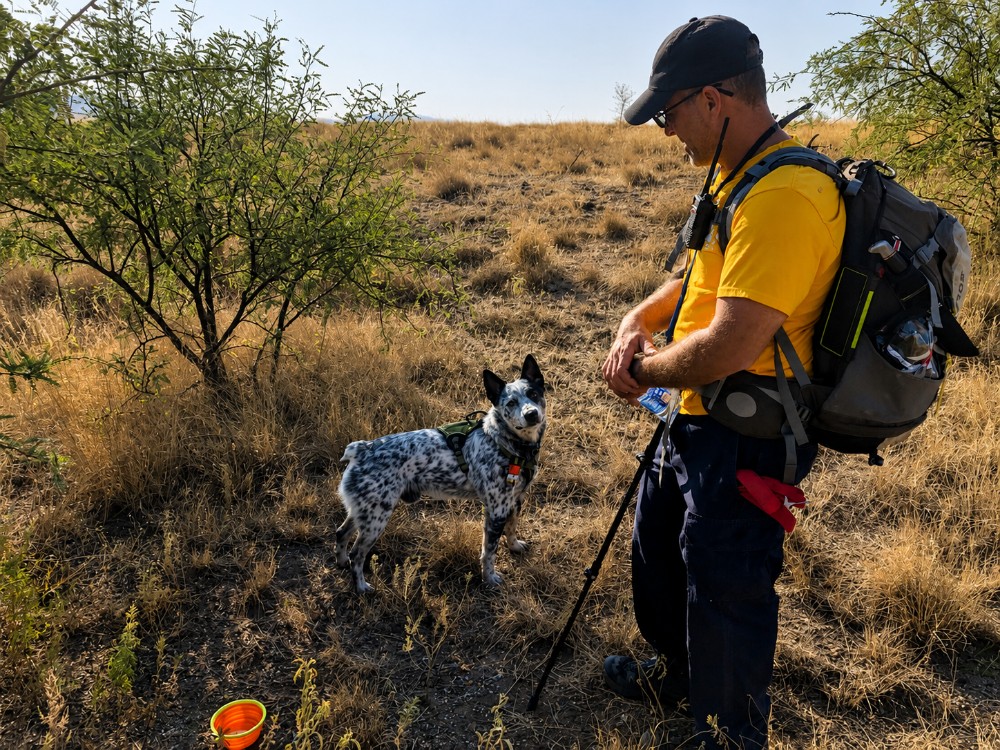
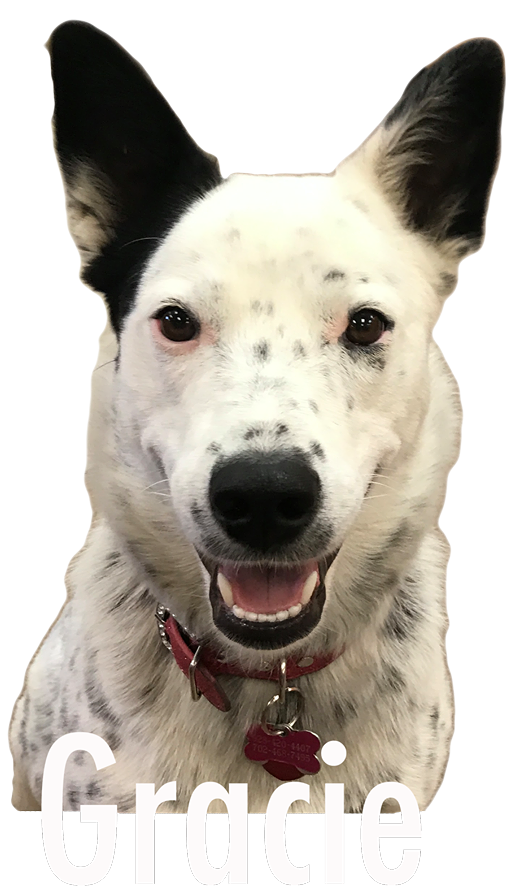
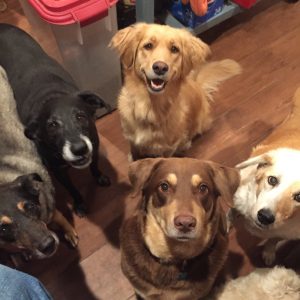
As to the dogs used in the cookie trials, they are rescued strays referred to as Pilot Pups. The canines eat a single trial cookie and, a month later, undergo a standard spay or neuter surgery. The excised tissue is preserved and sent to pathologists who measure the effect of the cookie on follicle counts. After participating in the program, each Pilot Pup is then adopted into a loving forever home.
If you’d like to learn more or support the work the group is doing, visit 600milliondogs.org.