



Story By Kim Eisele The Animal League of Green Valley
Canine parvovirus, commonly known as parvo, remains one of the most dangerous diseases faced by animal shelters. Highly contagious and often fatal without prompt treatment, it spreads easily in environments where dogs are housed closely together and often arrive with unknown medical histories. Despite these challenges, strong prevention and response protocols can significantly reduce its impact.
A recent case illustrates both the severity of parvo and the hope that can come with swift intervention. On March 7, 2026, an elderly woman while out for a walk in Green Valley discovered a box on the side of the road containing six abandoned puppies. She immediately brought them to The Animal League of Green Valley. Initially stable, the puppies quickly declined. Within two days, they developed bloody, foul-smelling, mucous-filled diarrhea—classic signs of parvo.
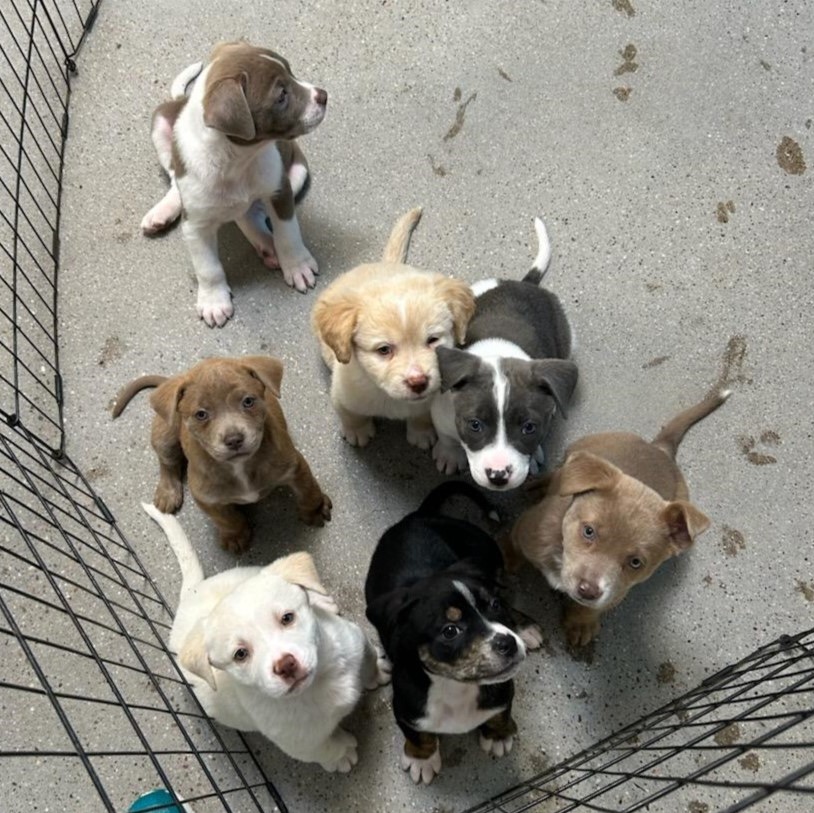
Staff immediately tested the puppies, confirming a strong positive result. They were rushed to an emergency veterinary hospital for intensive care. Despite the best efforts of both shelter staff and veterinarians, two of the puppies did not survive. However, the remaining four responded to treatment, regained strength, and are now healthy, energetic puppies.
Compounding the situation, cross contamination occurred within the shelter, and another litter tested positive for parvo. This underscored how easily the virus can spread, even with precautions in place. The affected puppies were quickly transported for treatment, and thanks to early intervention, all of them survived and recovered.
Parvo, caused by canine parvovirus type 2 (CPV-2), attacks rapidly dividing cells, particularly in the intestinal tract. Symptoms include vomiting, severe diarrhea, lethargy, and dehydration. Puppies are especially vulnerable, and without treatment, the disease can be fatal. The virus also suppresses the immune system, making infected dogs more susceptible to secondary infections, which can further complicate recovery and increase the need for intensive medical care.
Shelters face unique challenges in controlling parvo. The virus can survive in the environment for long periods and spreads through both direct and indirect contact, including contaminated surfaces like kennels, bowls, and clothing. Stress, overcrowding, and limited vaccination history further increase susceptibility. Even well-managed shelters can experience outbreaks, which is why constant vigilance and strict adherence to protocols are necessary.
Prevention remains the most effective defense. Immediate vaccination upon intake is critical, along with booster schedules for puppies. Rigorous sanitation using disinfectants proven to kill parvo, such as properly diluted bleach, is essential. Staff training also plays a key role, ensuring that everyone handling animals understands how to prevent transmission. Early detection, rapid testing, and isolation of infected dogs help prevent widespread outbreaks.
Community awareness is another important factor. Many cases of parvo originate outside the shelter system, particularly in unvaccinated populations. Educating the public about the importance of routine vaccinations and responsible pet care can help reduce the number of cases entering shelters in the first place. Outreach programs, low-cost vaccine clinics, and partnerships with local veterinarians can make preventative care more accessible to underserved communities.
The story of these puppies highlights both the devastating nature of parvo and the importance of vigilance and rapid response. While the loss of two puppies is heartbreaking, the recovery of the others—including an entire second litter—demonstrates what is possible with dedicated care. It also reinforces the need for ongoing support for shelters, including funding, volunteers, and community involvement, to ensure they can continue this lifesaving work.
Through continued education, prevention, and strong protocols, shelters can protect vulnerable dogs and improve outcomes, giving even the most at-risk animals a chance at a healthy future.