



Story by Rebecca West
Images by Southwest Rescue Dogs, Inc.
The diverse landscape of Southern Arizona offers some of the most scenic terrain to explore in all of America, with unforgettable State and National parks, extraordinary mountain chains, and, of course, the beautiful -yet unforgiving – Sonoran Desert.
If you’re properly prepared and respect the curveballs Mother Nature and life can throw your way, you’ll likely do just fine. But things don’t always go to plan. Vehicles break down, and traffic
Thankfully, the area has one of the best emergency response teams in the state. We actually have five, all told. They are listed under the heading of SARCI (Search & Rescue Council, Inc.) and include Southwest Rescue Dogs, Inc. (SRDI). Formed in 1993 as members of the Southern Arizona Rescue Association (SARA), they’re a non-profit, all-volunteer search-and-rescue organization serving Southern Arizona and Pima County. (sarci2.org)
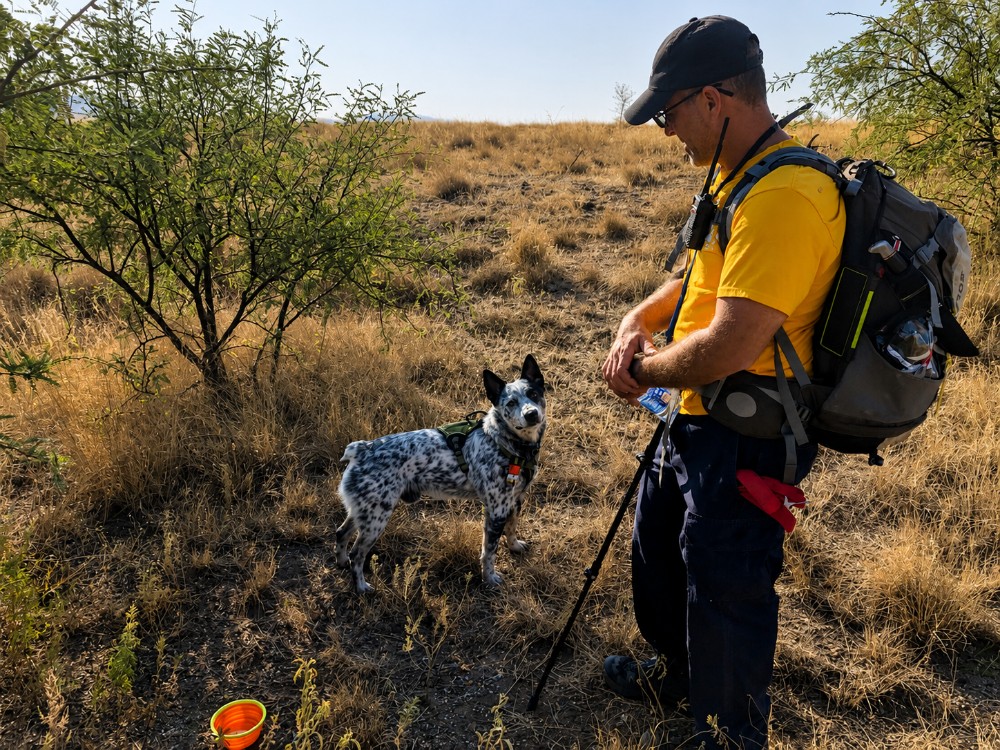
Originally founded by Pam Phillips, George Cubic, Laurel L. Muir, Lisa Smith, and Jon Ruttencutter, the group now has five certified handlers. The dogs include four certified Human Remains Detection canines (HRD) and two certified in air scent. The latter are deployed when searching for live beings. Only certified dogs go out on actual search-and-rescue operations, as opposed to those in training, of which there are currently seven.
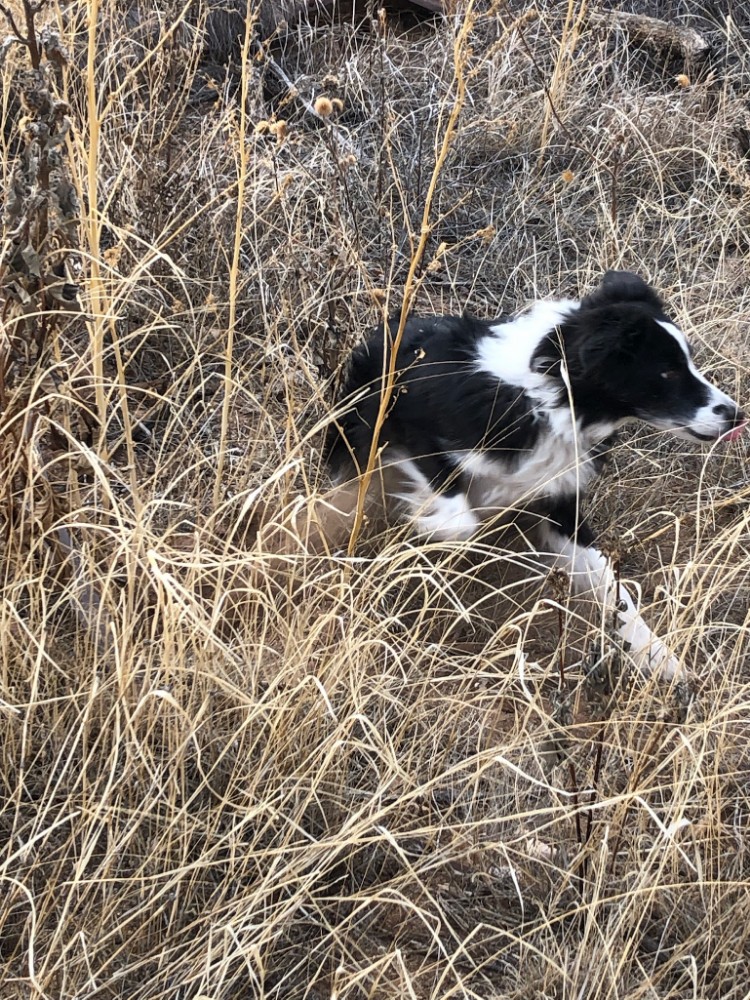
Comprised of rescue dogs and family pets, working breeds reportedly do best. On average, only 25 to 30 percent of the animals fail to make the cut. Training takes place among the four cardinal directions of Pima County and includes rugged topography such as Mt. Lemmon.
SRDI has two professional trainers, Karen Paquette, who’s been
“Search-and-rescue animals
She added that desirable traits in canine
Career-wise, the dogs
Regarding gear, all handlers are required to have booties on hand should the landscape or conditions call for them. According to Paquette, most dogs wear GPS collars now to have an electronic record of where they’ve been. Vests are the handler’s choice, but tracking dogs need a harness they can be leashed to. Air scent dogs sometimes have a bell attached to their collar so they can be heard in low-lighting situations or hilly terrain.
Some recent examples involving the use of dogs in Southern Arizona search-and-rescue efforts are the Wild Burro area search this past spring when a man went hiking and didn’t return. He was eventually found unresponsive. Another was at Patagonia Lake when a Pima County deputy lost his life.
While they aren’t currently accepting new applicants because of the time it takes to train the animals, you can take your pet to sniff-training classes to provide mental enrichment. Paquette absolutely recommends these types of activities and noted that the AKC has various clubs you can join for nose work, like the Sonoran Desert Scent Club. There’s also the National Association of Canine Scent Work®.
Sniffing is said to have physical and emotional benefits. For instance, it helps to decrease heart rate, lower blood pressure, and even improve a dog’s optimism. If you’re interested in learning more, she suggests googling Nathan Hall, associate professor of Companion Animal Science at Texas Tech. He’s a researcher in canine behavior whose work investigates canine olfaction.
As to volunteers, SRDI could always use people to act as trace subjects for the dogs to try tracking during
Be prepared:
Tips for staying safe when out include bringing a tracking/mapping/