



Story by Rebecca West
Photos courtesy of Pathways for Paws
Founded in October 2019 by animal advocate Stefanie Seitz, Pathways for Paws (PfP) is a 501(c)(3) non-profit, no-kill, animal welfare organization here in Tucson that you might recognize from their vaccine and microchip clinics. They began, however, as a canine rescue with a strong desire to see more spay and neuter procedures being performed in the area.
Currently, their mission is to promote vaccines and low-cost microchipping to the community and to reinforce their message regarding the importance of spaying and neutering. By doing so, they hope to help slow the spread of deadly diseases and the overpopulation of unwanted dogs, leading to a happier, healthier community for both pets and people.
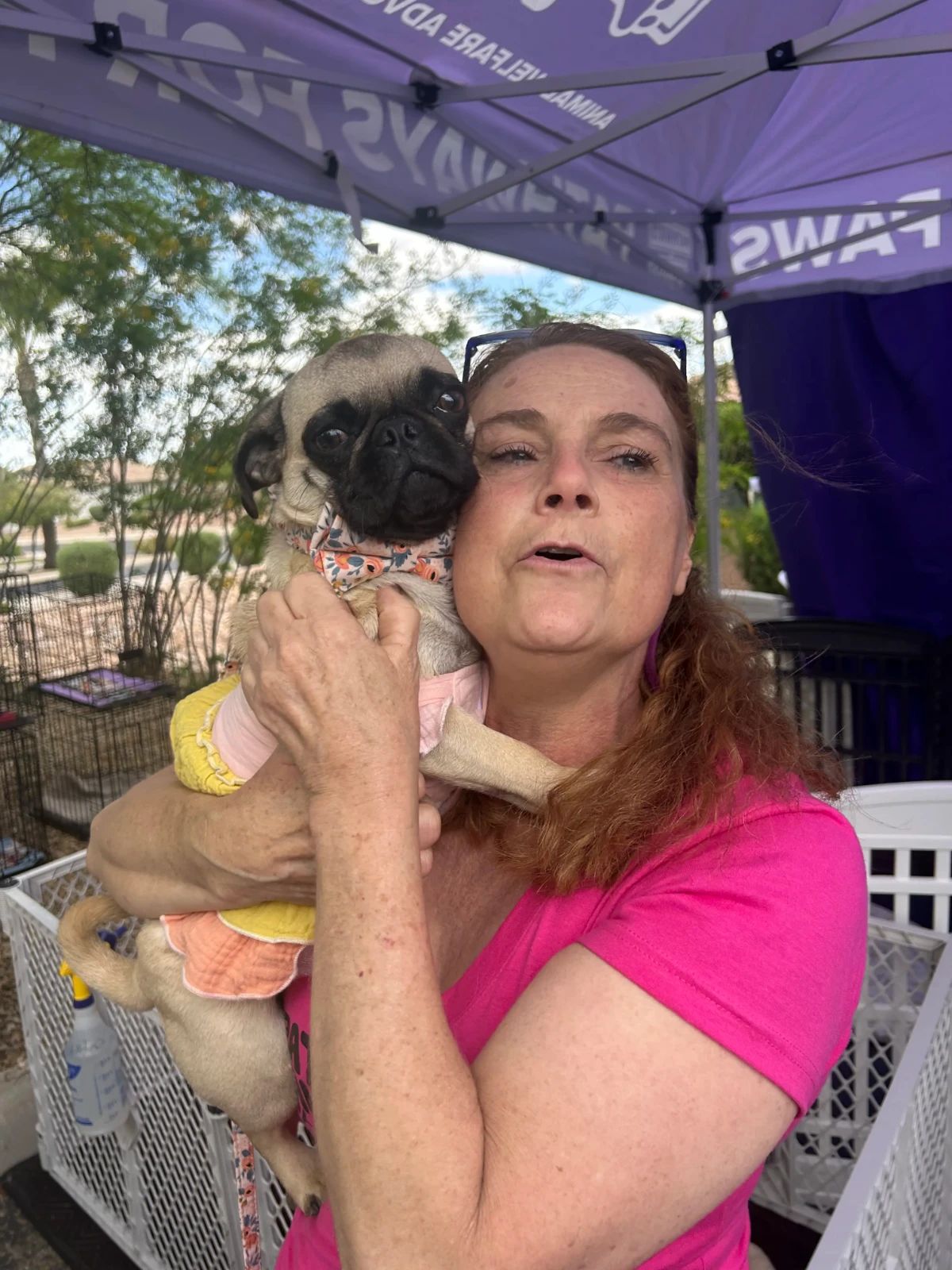
As a foster-based rescue, there’s no need for a brick-and-mortar facility. Everything is handled through appointments and volunteers. To raise the profiles of the animals in their care, PfP routinely organizes meet-and-greet events with various local businesses where people can come in and interact with potential family members with cold, wet noses and fuzzy paws.
When Seitz started, her goal was to acquire a mobile spay/neuter unit to address the myriad of accidental and unwanted litters Tucson is regularly inundated with. In the meantime, when all of the litters coming in had parvo, she recognized the need to offer affordable vaccines as she worked toward attaining a truck.
“I’ve wanted a mobile unit since day one and started with the rescue to earn the trust of the community and get our name out there,” she explained. FYI, Pathways is still pursuing the dream of attaining a mobile unit, if you’d like to contribute and help make that dream a reality.
The desire to see that come to fruition is two-pronged, as Seitz believes the importance of spaying and neutering isn’t JUST about preventing litters. There are certain conditions that intact animals can develop that the procedures could possibly negate or lower the incidence of, she explained. They include various cancer risks and behavioral issues, among other problems.
The most sought-after vaccine for dogs visiting the clinics is the DAPP vaccine, which stands for distemper, adenovirus, parainfluenza, and parvovirus. And this year, parvo was everywhere, according to Seitz, with all of the shelters having to reckon with it. “If people do what they’re supposed to when they’re supposed to, vaccines generally work well,” she informed us. Seitz urges everyone to get their dogs vaccinated to stem the spread.
Parvo is a highly contagious and potentially fatal virus that causes severe vomiting, diarrhea, and dehydration. The DAPP vaccine is considered an essential part of a dog’s core vaccination schedule. With PfP, the shots are $10 apiece and given two weeks apart, but not more than 30 days, if you can’t get back in at the two-week point. Four shots are needed in total.
While there is no definitive cure for canine parvo just yet, timely diagnosis and care can lead to recovery, with survival rates said to be as high as 80%-90% with hospitalization. The treatment to date has involved intensive supportive care that includes IV fluids to combat dehydration, anti-vomiting and diarrhea meds, antibiotics to prevent secondary bacterial infections, and nutritional support.
A newer treatment known as monoclonal antibody therapy is said to help block the virus from replicating, thereby improving survival rates. As of August 2025, it was announced that Elanco’s Canine Parvovirus Monoclonal Antibody treatment had been conditionally approved by the U.S. Department of Agriculture (USDA) for use when treating canine parvovirus. Pathways is obviously interested in any cure.
Curious about the increase in parvo cases, we contacted Dr. Lisa Shubitz, DVM, with U of A’s Valley Fever Center for Excellence. As one of the scientists responsible for the upcoming Valley Fever vaccine for canines, she knows a thing or two about viruses. She shared this:
“Regarding parvo, most of the parvo is related to lack of vaccination, not just of individual animals but of populations of dogs. The vaccine hesitancy in humans often extends to their pets, despite the fact that parvo is a fatal or very expensive disease in puppies and dogs, and nearly 100% preventable by vaccination.”
She provided a link to an American Animal Hospital Association article on parvo vaccines, saying the information was consistent with previous research she had heard about. To view it, go to
www.aaha.org/resources/2022-aaha-canine-vaccination-guidelines/canine-parvovirus-cpv
If you’re wondering whatever happened to the oh-so-promising Valley Fever vaccine, we’re told that while the regulatory wheels turn slowly, Shubitz believes they are near the finish line for USDA approval. She added that a live avirulent fungal vaccine is truly a frontier product with many complexities.
Besides the four main drive-thru outreach clinics conveniently located around town offering distemper/parvo, bordetella, feline FVRCP, microchips, and nail trims, PfP has recently begun collaborating with Bark ‘N Berry for a walk-in option due to the ice cream parlor’s location. Check the rescue’s website for days, times, and locations nearest you.
Pathways for Paws would love to have more fosters and volunteers for help with any number of tasks, including updating their website. If you’re interested, they’d be extremely grateful for your assistance.