



Story by Dr. Lisa S. Newman The Holistic Animal Care Shoppe
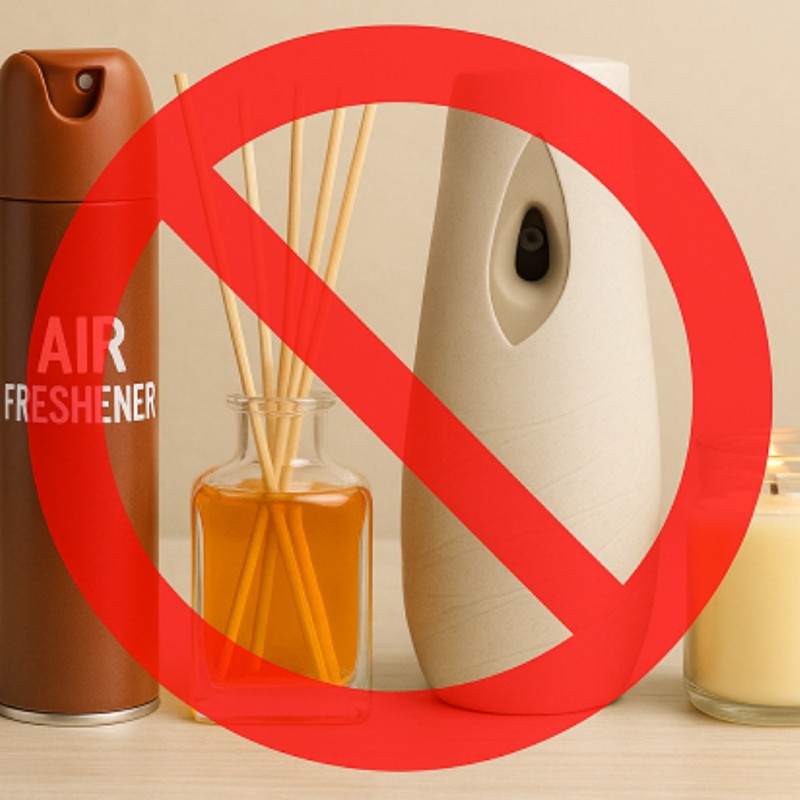
Many pet parents rarely get clear answers about those nice-smelling sprays, scented candles, plug-ins, dryer sheets, and “odor-neutralizing” miracle products; that they can pack a dangerous chemical punch for the four-legged (and feathered) members of your household. Often deadly. Science backs this up – loudly.
Humans treat scent as décor, pets treat it as DATA! Their noses aren’t just more sensitive; they’re biologically supercharged to record hundreds of smells simultaneously. Should we consider this as a possible trigger of seizure activity?
· Dogs: Roughly 220 million scent receptors (our 5 million can’t compare) can become confused.
· Cats: With 45–80 million receptors, plus extremely efficient scent pathways, they often suffer quickly.
· Birds: While species differ, many parrots and raptors have far more refined chemical-sensing abilities than once believed. It is not uncommon for birds to suddenly die from aerosol exposure to certain items.
Remember, feathered friends are ‘the canaries’ to our environmental demise.
A study in Chemical Senses (Walker et al., 2017) notes that animals with “heightened olfactory tissue absorb airborne chemicals far faster than humans.” That means when you spritz your favorite scent, your beagle gets a chemical tsunami.
Now pair that with pets faster metabolic rates, and you have a combo that can accelerate toxic effects! They absorb more, process it faster, and if the substance is harmful, trouble hits earlier and harder before their body can detoxify its lung tissues and protect vital organs.
What’s Hiding in Those Nice-Smelling Household Products? More than you bargain for. Many popular air and fabric-freshening products contain volatile organic compounds (VOCs):
· Benzene – Canine lymphoma, anxieties, mental confusion
· Formaldehyde – gastrointestinal and squamous cell carcinomas
· Toluene – affects their central nervous system
· Phthalates – in food/chews, plastic dishes, toys(!) disrupt endocrine function, damage liver and kidneys
A widely cited study in Environmental Science & Technology (Steinemann, 2016) examined 25 popular air fresheners and scented cleaning products:
· Shockingly, 100% emitted VOCs
· Almost 33% “released chemicals classified as toxic or hazardous” under U.S. federal law
· None ‘listed’ these chemicals on their labels.
Your home smells “fresh,” but the health risks to all your family members are serious! Pets inhale these VOCs, absorb them through their paw pads, and ingest them through grooming. Birds, whose air-sac respiratory anatomy is unbelievably efficient, are especially vulnerable. The same Teflon fumes that kill birds in minutes make them crash harder with artificial fragrances. Even several ‘natural’ essential oils have killed.
But Natural Essential Oils Are Safe… Right?
If only. ‘Natural’ doesn’t mean non-toxic! Often far from it, especially with so many pop-up marketplaces featuring unproven products, even known brands bought out and cheapened, now flooding the market. Buyer beware.
Essential oils that commonly trigger known pet toxicity:
· Tea Tree (Melaleuca) oil – cats, kittens and puppies are extremely sensitive
· Pennyroyal – liver toxicity in dogs
· Eucalyptus – neurotoxicity, seizures
· Clove, cinnamon, citrus oils – GI and neurological issues, paralysis
· Wintergreen – Methyl salicylate is highly toxic and potentially fatal, especially to cats and dogs. Exposure, even in small amounts, can lead to severe poisoning because pets, particularly cats, lack the necessary liver enzymes to metabolize it effectively. Yet, I found it in many pet care remedies.
· Ylang ylang – respiratory distress in cats, confusion
· ANY aerosolized oil for birds – universally dangerous
A 2014 study in the Journal of Veterinary Emergency and Critical Care analyzed essential oil toxicity cases and found that even topical applications caused liver failure, neurological issues, and respiratory collapse, especially in cats, whose livers lack certain detox enzymes. Seek proven brands with proper formulation teams behind their natural products, rather than corporate marketing departments.
Spraying your dog with “natural lavender calming mist”? This calms your senior dog the first week, but then may start exhibiting stress.
Diffusing oils may be confusing your pet’s DNA! Candles, Incense, Wax Melts, Laundry Sheets & Fabric Softener are all hidden dangers.
Paraffin candles are basically mini pollution factories. When burned, they release chemicals:
· Acetone – poisons through ingestion, inhalation, or skin absorption, leading to symptoms like vomiting, lethargy, difficulty breathing, and neurological signs.
· Benzene – Respiratory distress, tremors, and lethargy, especially from acute exposure to petroleum products like cleaning agents, gasoline or solvents. Long-term or repeated exposure, for example to products like plug-in air fresheners which can release benzene, has also been linked to an increased risk of cancer in dogs, particularly lymphoma. Signs of poisoning can include stumbling, excessive drooling, seizures, or difficulty breathing.
· Toluene – exposure includes vomiting, lethargy, respiratory distress, seizures, incoordination or tremors
· Flea and Tick Treatments: Some older or less regulated flea and tick dip products have been found to contain organic solvent carriers like toluene. Avoid chemical pest products, especially monthly treatments of actual poisons! Read all labels.
· Grooming Products: Toluene may be present in certain beauty or human-grade products that people might mistakenly use on their pets, such as some nail polishes or nail polish removers, which are not advisable for use on animals.
· Household Items: Pets can be exposed to toluene through accidental ingestion, inhalation of fumes, or skin contact with household items like paints, paint thinners, adhesives, and some floor cleaning products.
· Butylated hydroxytoluene (BHT), a ‘related’ chemical used as a preservative in several pet foods and treats, is distinct from toluene itself yet is also a controversial ingredient with documented health concerns.
According to Journal of Environmental Science and Pollution Research (2015), mix that with synthetic scent oils (imagine that seasonal housewarming candle), and your living room “becomes a low-grade hazard zone” for pets lounging at floor level where particulate matter is densest.
Incense? Even worse. Studies show incense smoke contains “higher concentrations of particulate matter than cigarette smoke.” That’s a hard no for pets with small lungs, sensitive mucous membranes, or pre-existing respiratory conditions. Especially birds!
Meanwhile, scented fabric rinse balls or “fresh-linen” dryer sheets leave behind a serious residue containing:
· Quaternary ammonium compounds are also commonly used as disinfectants in veterinary hospitals and boarding facilities! Don’t wear this next to your skin. Awareness of the severity of these poisonings and the potential for fatal outcome, is important.
· Synthetic fragrances – cause respiratory issues, skin irritation, and long-term health issues with endocrine disruption and organ damage.
· Methylisothiazolinone – used as a preservative, can cause skin irritation, allergic reactions, and potential neurotoxicity, especially in pets with sensitive skin.
These chemicals can trigger:
· Contact dermatitis
· Asthma flare-ups
· Eye irritation
· Digestive problems, if ingested
A study in Air Quality, Atmosphere & Health (Singer et al., 2016) confirmed dryer vent emissions from scented laundry products contain hazardous VOCs, including carcinogenic acetaldehyde. The number one household cause of indoor pollution leading to life-long allergies, asthma and ultimately several environmental cancers.
Environmental Toxins & Rising Pet Cancer Rates
Multiple veterinary epidemiology studies (Reif et al., 1998; Glickman et al., 2004) highlight significant correlations stemming from household chemical exposure:
· Lymphoma in dogs
· Thyroid cancer in cats
· Bird respiratory cancers plus sudden death syndromes
· Bladder cancer in pets exposed to lawn chemicals, carpet and indoor fragrances
More recent research shows our modern indoor environments contain 2–5× more chemical pollutants than outdoor air (EPA, 2020). Pets spend 90% of their time inside. No surprise that oncology clinics are seeing skyrocketing cases of even more serious pet cancers in both dogs and cats. Birds often die prior to diagnosis.
The Upside: Detox & Immune Support Are Powerful Allies. Holistic veterinarians and naturopathic animal nutritionists increasingly recommend:
· Homeopathic detox protocols proven in targeting liver, kidney, and lymphatic drainage
· Herbal support (yellow dock root, milk thistle, turmeric, astragalus, burdock, red clover)
· Nutraceutical immune boosters (medicinal mushrooms, antioxidants, trace minerals, sprouts, yogurt)
· High-quality natural foods and treats suitable for your specific pet’s needs, fresh and nutritious
These strategies help the body eliminate accumulated toxins plus strengthen the immune system’s response. While not magic bullets, they’ve shown promise in providing both detoxification efficiency and improved vitality, especially for pets in homes where total toxin elimination isn’t achievable.
Bottom Line? Protect Their Noses, Protect Their Lives
If it smells too good to be true, your pets are probably absorbing it faster than your nose can enjoy it. The good news is that reducing indoor toxins is totally doable – skip fragrance-heavy products, ventilate often, use unscented cleaners, and explore truly pet-safe alternatives. Vinegar and baking soda still work to clean tough spots. Pure vanilla in a shallow dish will absorb everything foul, while citrus extracts repel pests!
Your home will still smell great – just not at the cost of your best friend’s health. Plus, you’ll save money.
For more information contact Dr Lisa Newman at The Holistic Animal Care Shoppe
5905 E Speedway Blvd #111 (520) 886-1727
The information provided in this article is for educational and informational purposes only. The Tucson Dog magazine does not provide veterinary medical advice. Always consult a licensed veterinarian before making changes to your pet’s diet, administering supplements, or using alternative therapies.