



Story and Photos courtesy Pima Medical Institute
Tucson is a city built on compassion, whether it’s the pride we take in our beloved desert landscapes, the way neighbors look out for one another, or the way we care for our four-legged family members. Today, that compassion extends into a growing and vital need: preparing skilled professionals who understand animal health, community wellness and the science that connects both.
At the heart of this effort is veterinary education. A field that not only equips students for careers supporting the physical and emotional well-being of animals but also strengthens the fabric of our community.
More Than a Career: A Calling to Care
Veterinary medicine is often thought of in terms of loving pets, but in reality, it extends far beyond clinics and kennels. Veterinarians, veterinary assistants, veterinary technicians and other support professionals play indispensable roles in public health, preventive care, animal behavior, community outreach and emergency response. Tucson’s animal shelters, rescue organizations, private clinics and research institutions all depend on these qualified professionals to keep both animals and people healthy.
Yet, the need for skilled veterinary professionals continues to grow.
According to recent workforce data, demand for veterinary assistants and veterinary technicians is expanding rapidly as pet ownership increases and veterinary medicine becomes more advanced. Local employers are seeking graduates who not only understand animal anatomy and clinical procedures but also communicate with pet owners, collaborate with interdisciplinary health teams, and meet the highest standards of patient care.
Hands-On Training, Real-World Preparedness
This is where Pima Medical Institute’s Veterinary Assistant and Veterinary Technician programs make a difference.
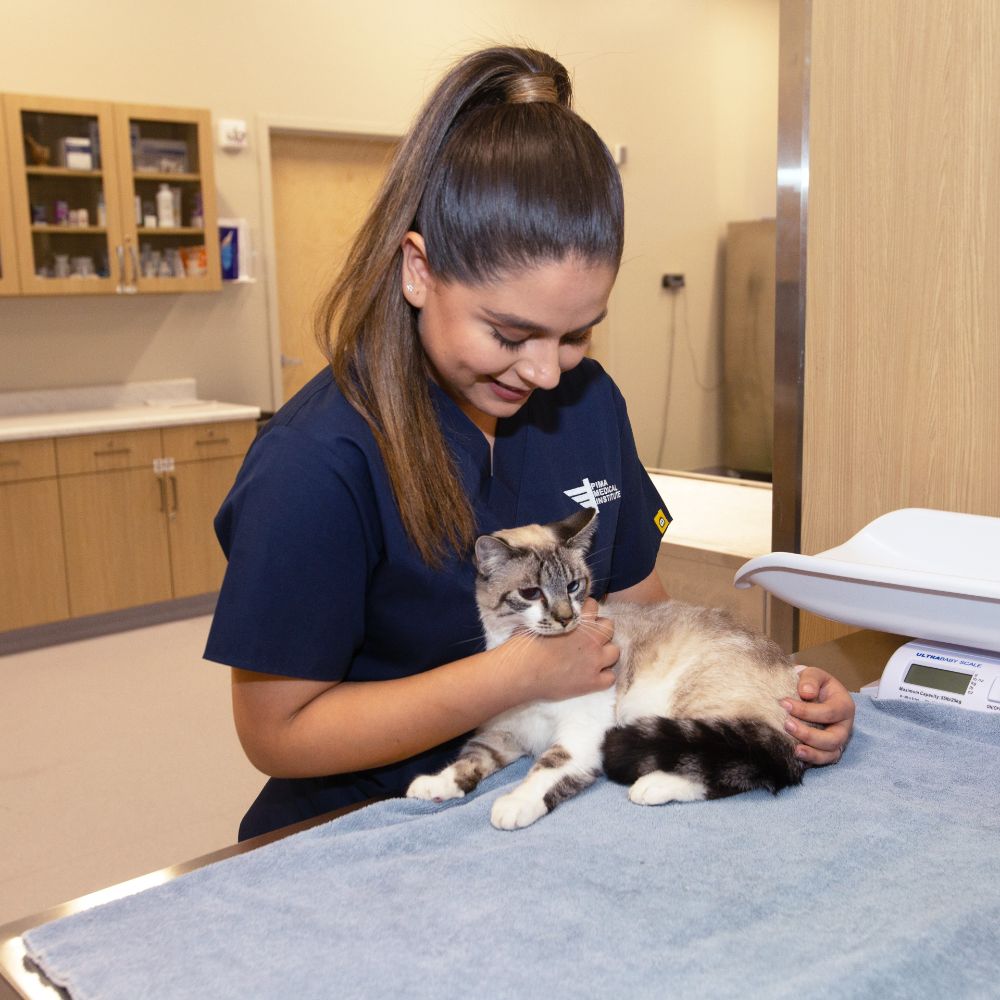
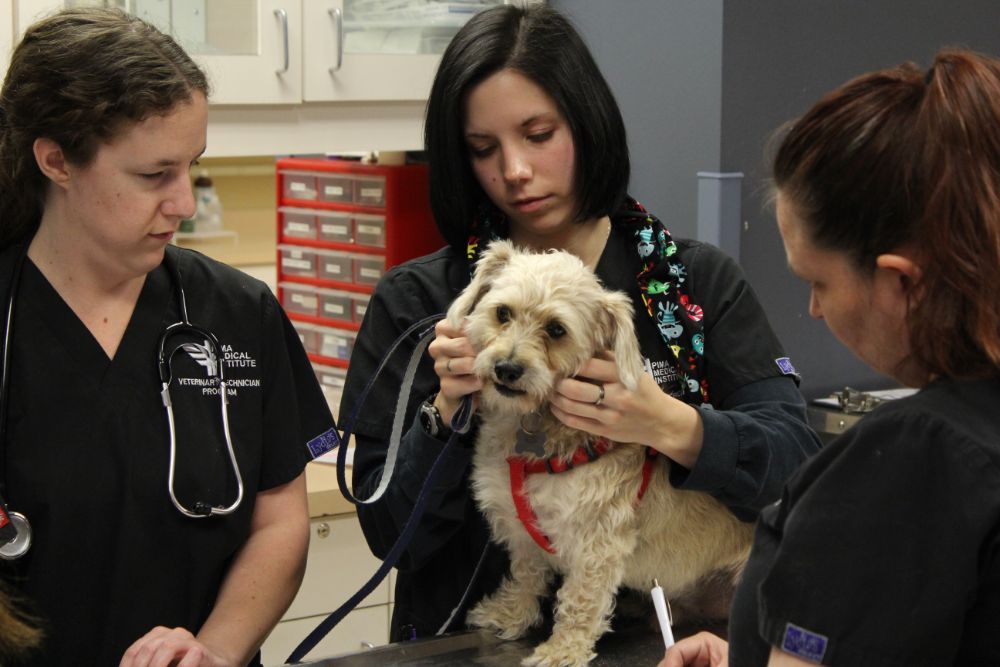
Pima Medical focuses on career-ready education, training students with the skills, knowledge and confidence to enter the workforce on day one. In Tucson, that translates to hands-on labs, real animal care simulations and supervised clinical experience in environments that mirror today’s veterinary workplaces. From performing diagnostic procedures and administering medications to mastering surgical assistance and client communication, students learn what employers expect and what Tucson’s animals deserve.
The curriculum is designed to balance science, critical thinking and compassion, preparing graduates for certification and success in a dynamic field that is continuing to evolve and change. This emphasis on practical skills has a ripple effect across the community. Clinics staffed with well-trained professionals are better equipped to offer quality care, increase preventive services and strengthen owner education.
Community Impact Runs Deep
For many Tucson families, pets are cherished companions, emotional support and even therapy partners. Ensuring access to skilled veterinary professionals means fewer barriers to care, earlier detection of health issues and stronger partnerships between pet owners and providers.
But the impact doesn’t stop with animals.
Veterinary professionals often intersect with broader allied health care needs, especially in areas like zoonotic disease prevention, nutrition, emergency medicine and behavioral health. Working alongside veterinarians and public health specialists, veterinary assistants and veterinary technicians contribute to community well-being in ways that touch both animal and human health.
“Tucson thrives when we have professionals who are not just trained in technical skills, but who understand the role of animal health in overall community wellness,” says Katie Foust, CVT, Veterinary Program Director at Pima Medical Institute’s Tucson campus. “My greatest passion is encouraging others in the veterinary and animal care fields to continue to expand their skills and knowledge so that each day their patients can receive better care than they did the day before.”
Whether graduates go on to work in local clinics, animal shelters, research labs, or community outreach programs, their contributions help ensure that Tucson remains a city where every animal, and by extension, every family, can live a healthy, fulfilled life.
Supporting Diverse Student Pathways
Pima Medical Institute’s approach to education embraces inclusivity and accessibility. Students come to the program from varied backgrounds, some straight from high school, others transitioning careers, and many seeking flexible pathways that balance work, family and study. Through hands-on labs, online learning components and mentorship from experienced instructors, students develop both technical competence and the professional confidence needed to thrive in veterinary settings.
In a community as diverse as Tucson, that flexibility matters. It means passionate individuals, regardless of age or background, can build meaningful careers doing what they love while addressing a real community need.
Looking Ahead
As Tucson continues to grow, so too does the demand for qualified allied health professionals, especially those focused on animal care. Veterinary education isn’t just about preparing students for jobs; it’s about shaping professionals who contribute to community health, partner with local organizations and elevate the standard of care for animals and their people.
From the joyous wag of a tail when a patient hears its owner’s voice to the relief of a pet parent after successful treatment, the impact of veterinary professionals is deeply personal and profoundly community-wide. And, as more students enter careers in this field, Tucson will be stronger, healthier and better equipped to care for the animals we love.
For more information about Pima Medical Institute and its veterinary programs, go to pmi.edu